When to Add More Solar Panels: Signs Your Array Isn’t Keeping Up

- Introduction
- Signs Your Solar Array Isn’t Keeping Up
- What to Consider Before Adding More Panels
- Conclusion
Introduction
At IOTG Solar, we believe a solar system should be more than “just enough.” It should match your lifestyle, your energy habits, and your future goals. But over time, many owners find their system just isn’t keeping up like it used to. Maybe you’ve added an EV or switched to electric DC fridge, maybe your system was sized conservatively at the start, or perhaps panel performance has naturally declined.
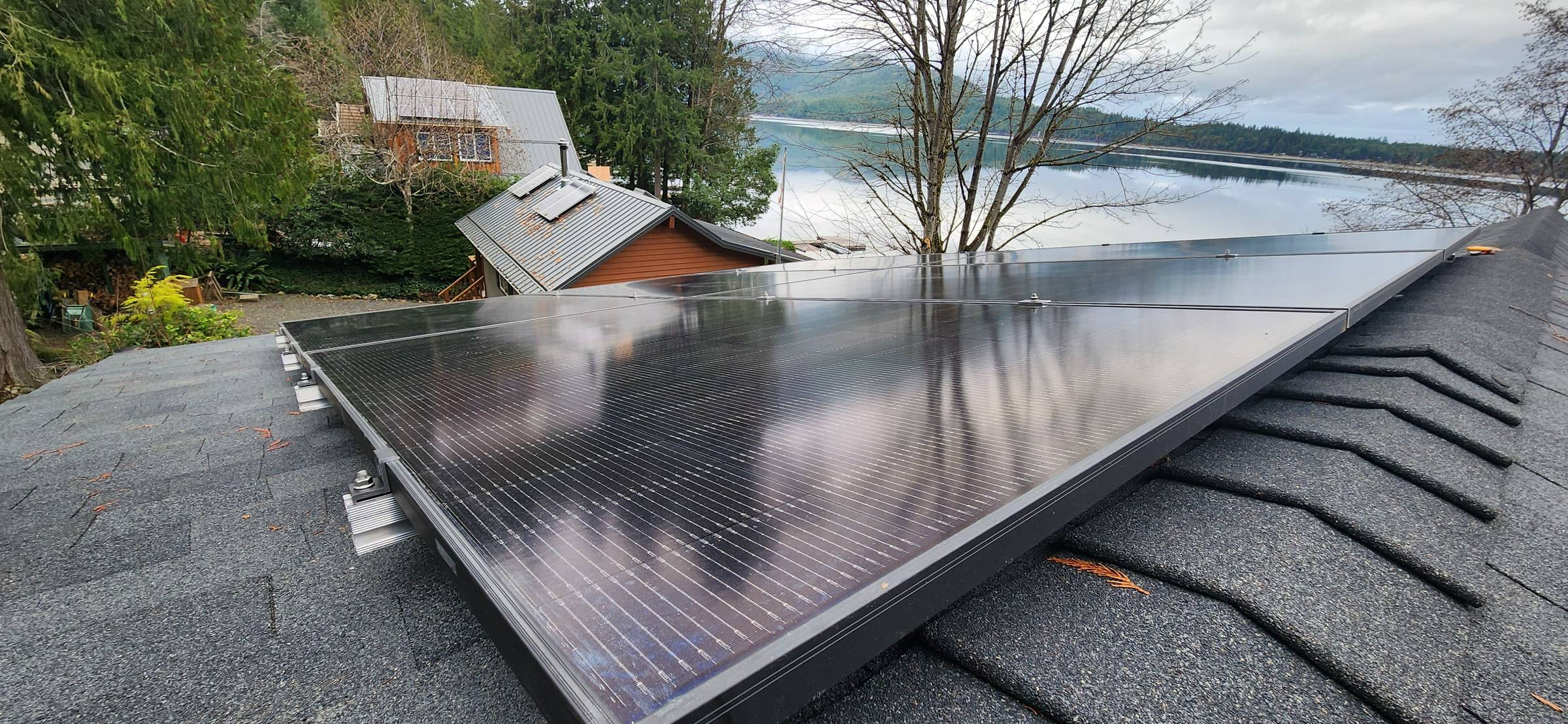
This summer, one of my customers experienced exactly that. When it was just him and his wife at their cabin, their small setup worked perfectly. But when the kids and grandkids came to visit, everything changed. Suddenly there was a new coffee maker running, phones and tablets charging around the clock, and a lot more gadgets in use. Even in the middle of summer, their batteries were dropping lower than usual. They only had two small solar panels, which used to be enough, but with the added demand and their new lithium batteries, it became clear they needed a little more solar power to keep everything charged and running smoothly.
In this article, we’ll look at the key signs that your solar array might not be keeping up and when it makes sense to add more panels. The goal is to help you recognize the signs early, understand why they happen, and make informed decisions before your system starts falling behind.
Signs Your Solar Array Isn’t Keeping Up
1. Your energy consumption has increased
One of the clearest signs that it’s time to expand your solar system is when you’re simply using more power than before. Maybe you’ve added an electric vehicle, switched from propane or gas to electric appliances, built an addition onto your cabin, or your day-to-day habits have just changed over time. Your original system might have been perfect back then, but now it may not be keeping up.
For off-grid setups, it can be as simple as adding a new water pump, a new electric fridge, or a few extra gadgets, every new device adds to your daily demand, and your batteries have to carry that load each night until the sun recharges them.
If you’ve started noticing higher power bills, or you’re pulling a lot more from the grid than expected, that’s a strong sign your solar array is no longer covering your needs.
2. You’re exporting less and importing more
For grid-tied systems, one goal is to offset as much consumption as possible. If you used to export excess solar energy (or have negligible import) and now you’re importing more, it could signal that your system is undersized. In off-grid, if your battery bank is consistently dipping lower than your autonomy target, and your panel array can’t keep up with charging demand, it’s time to evaluate.
3. Your production curve has flattened or declined
Every system has seasonal and weather-based variance. But if your normal midday full-sun production is lower than expected, or you’re seeing a downward drift year-over-year beyond the typical panel degradation (often < 0.5 % per year) then your array may be under-performing or simply insufficient for your current loads. Also check whether shading has increased (e.g., tree growth, nearby structures), or dust/soiling is interfering.
4. Your inverter is clipping or maxed out
In some systems the inverter is already operating at or near capacity during peak sun hours. If you’re seeing the inverter at its limit frequently, but you’re still left with unmet loads, then adding panels (or upgrading inverter) might let you harvest more of the sun’s potential. Some inverters can safely handle a bit more solar input than their rated output, usually up to about 133%. That means you can sometimes connect more panel power (DC) than the inverter’s AC rating. But if your inverter is already working at full capacity during sunny hours, adding more panels won’t give you extra power unless you upgrade the inverter or add another one. In simple terms, the inverter can only convert so much sunlight into usable power, once it’s full, it can’t take any more.
5. Your system expansion or design upgrades demand more capacity
If you plan to add battery storage, switch to full-electric heating/cooling, pump heavier loads (coffee makers, toasters, etc.), or just aim to increase your autonomy days, you may need more panels. According to the literature, adding an EV or bigger battery often means a handful of extra panels (5-10+ depending on size) beyond your original design. Your system might have been sized for “today’s loads”; tomorrow’s loads may be higher.
What to Consider Before Adding More Panels
Roof or site space & orientation: Before adding panels, make sure you’ve got a good spot for them. Whether it’s extra roof space or room for a ground mount, it needs to be unshaded and positioned well toward the sun. If the new panels don’t have a good orientation or get partial shade, the return on that investment will drop.
Inverter and electrical capacity: Check that your existing inverter and wiring can handle the extra solar input. If it’s already near its limit, you may need to upgrade the inverter, add a second one, or increase wire sizes, conduit, or combiner box capacity. It’s worth confirming these details before ordering more panels.
Compatibility and warranty: When adding panels to an older system, the new ones might not match the originals exactly, different frame sizes, power ratings, or performance levels. That’s not necessarily a problem, but it can affect wiring layout, mounting, and even warranty coverage, so it’s something to plan for.
Utility and net-metering considerations (for grid-tied systems): If you’re connected to the grid, check with your utility before expanding. Some utilities will adjust your rate plan or net-metering credits if your system size changes significantly.
Energy efficiency first: Before deciding to add more panels, it’s always smart to look at the other side of the equation, your energy use. Sometimes small changes, like swapping older appliances or improving insulation, can reduce how much solar you need to add. Cutting demand often saves money faster than simply increasing supply.
Conclusion
Expanding your solar array isn’t just about adding more panels, it’s about keeping your energy system balanced, resilient, and ready for your evolving needs. At IOTG Solar, our mission is to empower you to make smart, long-term decisions. If you’ve noticed your power dropping off, recently upgraded to new batteries and confirmed they’re performing well, or added new appliances or just one significant load, it might be time to consider increasing your solar capacity.
Before rushing to install extra panels, take a moment to review your energy usage, assess your available roof or ground space, and ensure your existing electrical system can handle the expansion. A little planning now will go a long way in creating a reliable and efficient system that continues to meet your needs for years to come.
In the end, a solar system that’s properly sized today, yet designed with tomorrow in mind, is far more valuable than one that just covers yesterday’s usage. If you’re ready to explore whether adding solar panels is the right step for your setup (off-grid or grid-tied), we’re here to guide you through the logic, the numbers, and the practical steps. Let’s keep your sun working harder for you.
IOTG SOLAR LTD 5 Critical Mistakes To Avoid Before Buying Solar.pdf
For individuals seeking consultation, education, or assistance in system designs related to grid-tie or off-grid solar applications, IOTG Solar stands ready to help. Our team is available to address questions, provide valuable insights, and offer support at every stage of the solar energy journey. Feel free to reach out to IOTG Solar anytime for expert assistance and comprehensive solutions tailored to your specific needs.
IOTG Solar…
Keeping you powered through education.