When the Forest Burns

Protecting Your Off-Grid Solar System in a Wildfire Evacuation
- Introduction
- The Challenge of Old and DIY Solar Setups
- Before Wildfire Season: Prevention and Preparation
- When It’s Time to Evacuate
- The Harsh Truth
- Conclusion
Introduction
As an off-grid solar installer, I work on many systems tucked away in remote areas, often surrounded by dense trees. Like much of the world, we’re seeing a growing risk of wildfires every year. Right now, there are fires burning nearby, evacuation orders looming, and it seemed like the right time to share a few thoughts on what to do with your solar system if you ever need to leave in a hurry.
For many of us with cabins at the lake or deep in the woods, an off-grid solar system is more than just a few panels and batteries, it’s our lifeline. It powers the lights, keeps food fresh, and lets us enjoy our time off-grid without the constant drone of a generator.
But sometimes the threat isn’t a cloudy week or a tripped breaker, it’s a wildfire.
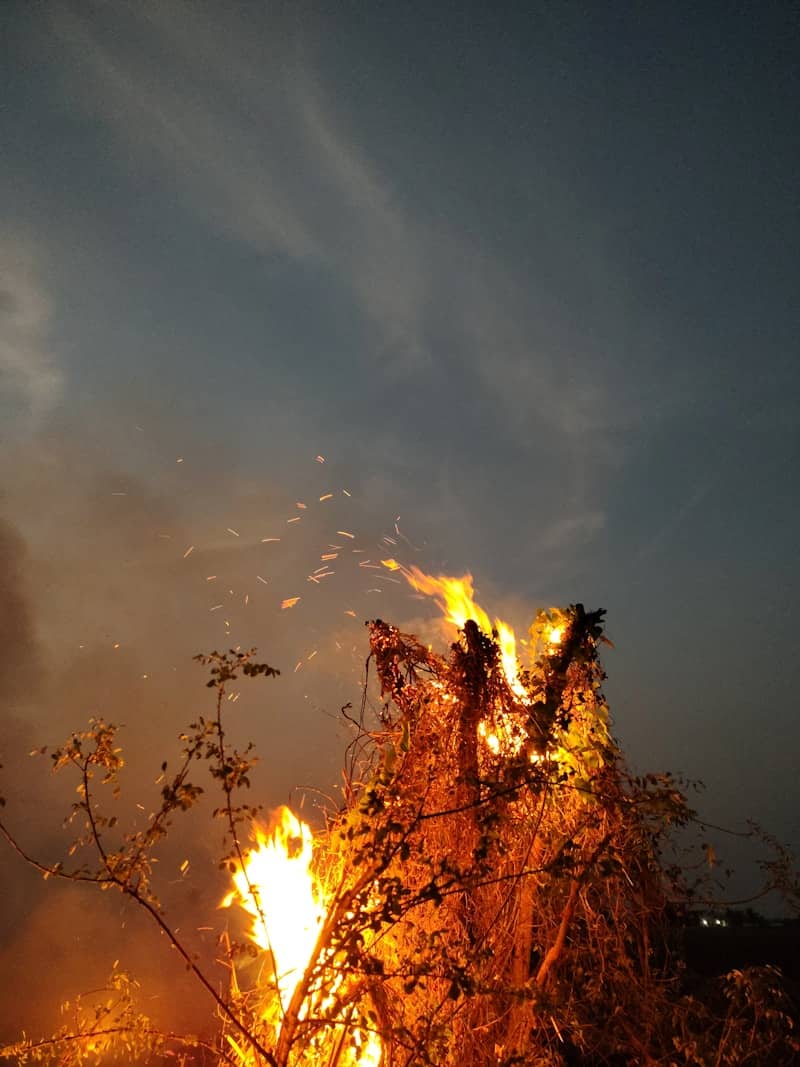
In rural and remote regions, fires can spread with alarming speed. Fire departments might be hours away, and forest service crews are often stretched thin during peak season. Even if help is on the way, there’s no guarantee it will arrive before the building, and everything inside, is lost. That’s why it’s critical to have a plan for safeguarding your cabin and your off-grid system before you’re forced to evacuate.
The Challenge of Old and DIY Solar Setups
Not every solar installation has the benefit of modern safety technology. Over the years, I’ve seen everything from fully code-compliant, professionally installed systems with rapid-shutdown switches and labeled disconnects, to tiny DIY setups built on a budget with none of these features.
Older and smaller systems may not have:
- Rapid-shutdown capability to de-energize PV wiring for first responders. ( In most rural areas firetrucks wouldn’t arrive in time so rapid-shutdown doesn’t exist, or the solar system is very small and simple, simply for lighting and small devices.) Many of these off-grid areas also only have an RV in place with a simple solar system.
- Properly labeled AC and DC disconnects for quick isolation.
- Fire-resistant battery enclosures or spacing from combustible materials.
If your system falls into this category, the priority shifts from “save the system” to “evacuate safely and reduce hazards where possible.” We can’t retrofit every system overnight, but knowing what’s missing and planning for it makes a difference.
Before Wildfire Season: Prevention and Preparation
- Clear a defensible space — Maintain at least 10–15 feet (3–5 m) of clear area around cabins, sheds, and arrays. Remove brush, dry grass, and flammable debris.
- Separate batteries from main living areas — When possible, place them in a detached, fire-rated enclosure away from bedrooms and exits.
- Label everything — AC disconnect, battery shutoff, inverter location — so a firefighter or neighbor can understand your system at a glance.
- Install monitoring — Even small systems can benefit from a battery monitor with voltage and temperature alerts.
When It’s Time to Evacuate
If you have the time and it is safe to do so, and only if it’s safe, here’s the shutdown sequence for most off-grid cabins:
- Turn off the inverter/charger using its main switch.
- Open the battery disconnect or breaker to isolate stored energy.
- Shut the AC main (if your cabin has one) to cut power to building circuits.
- Move flammable items propane tanks, firewood, fuel cans, away from buildings.
- Leave a note for firefighters indicating battery location and that the system is shut down.
If your system is old and doesn’t have a main battery breaker or labeled disconnect, disconnect the battery altogether from the system. Consider adding disconnects during your next maintenance day, even small upgrades can make a big difference in an emergency.
Steps To Take If You Have Time To Do So
Wildfire Evacuation Off Grid Solar System
The Harsh Truth
In remote areas, there’s no guarantee help will arrive before the fire does. Sometimes the best we can do is make the system as safe as possible before we leave, protect our investment from becoming part of the problem, and ensure firefighters, if they do make it, can work safely.
Conclusion
Your off-grid solar system is a valuable part of your cabin life, but in the face of wildfire, safety must come first. Old or DIY systems without modern safety measures are especially vulnerable, both to damage and to creating additional hazards for responders. By taking steps now to add basic protections, maintain defensible space, and plan your evacuation procedure, you give yourself the best chance of returning to a safe, intact property.
In wildfire country, preparation isn’t paranoia, it’s part of responsible off-grid living.
IOTG SOLAR LTD 5 Critical Mistakes To Avoid Before Buying Solar.pdf
For individuals seeking consultation, education, or assistance in system designs related to grid-tie or off-grid solar applications, IOTG Solar stands ready to help. Our team is available to address questions, provide valuable insights, and offer support at every stage of the solar energy journey. Feel free to reach out to IOTG Solar anytime for expert assistance and comprehensive solutions tailored to your specific needs.
IOTG Solar…
Keeping you powered through education.