Battery Protection
Why It’s Critical for Any Solar System
- Introduction
- Why Battery Protection Matters
- Key Battery Protection Strategies
- Add-On Protection for Basic or Older Systems
- Long-Term Payoff: Better Lifespan, More Value
- Conclusion
Introduction
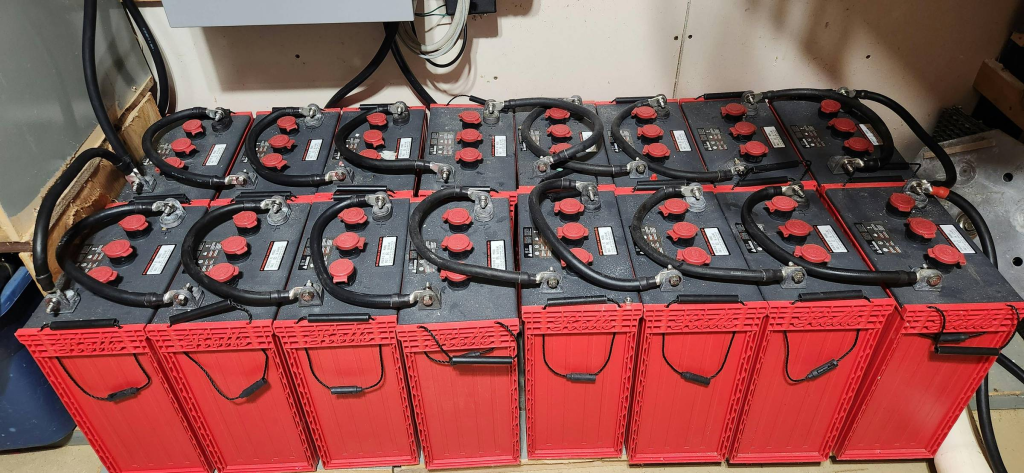
Whether you’re running an off-grid cabin deep in the woods or a grid-tied solar system at home, one thing is certain: your battery bank is one of the most expensive and important components of your system. And like anything valuable, it needs protection.
Too often, we see batteries, both lead-acid and lithium, fail long before their time, not because of manufacturing defects, but because of poor system design or a lack of basic safeguards. Protecting your batteries isn’t optional, it’s essential to get the performance, safety, and longevity you paid for.
Most of our new installations now use lithium batteries, which typically include built-in protection or are paired with advanced external systems like battery management systems (BMS) and smart disconnects. These technologies go a long way in preventing damage. Additionally, modern inverters and external monitoring devices often include programmable low-voltage cut-offs or inverter shutdown settings designed to protect your batteries from over-discharge. When set correctly, these features help ensure your system doesn’t drain your batteries to harmful levels.
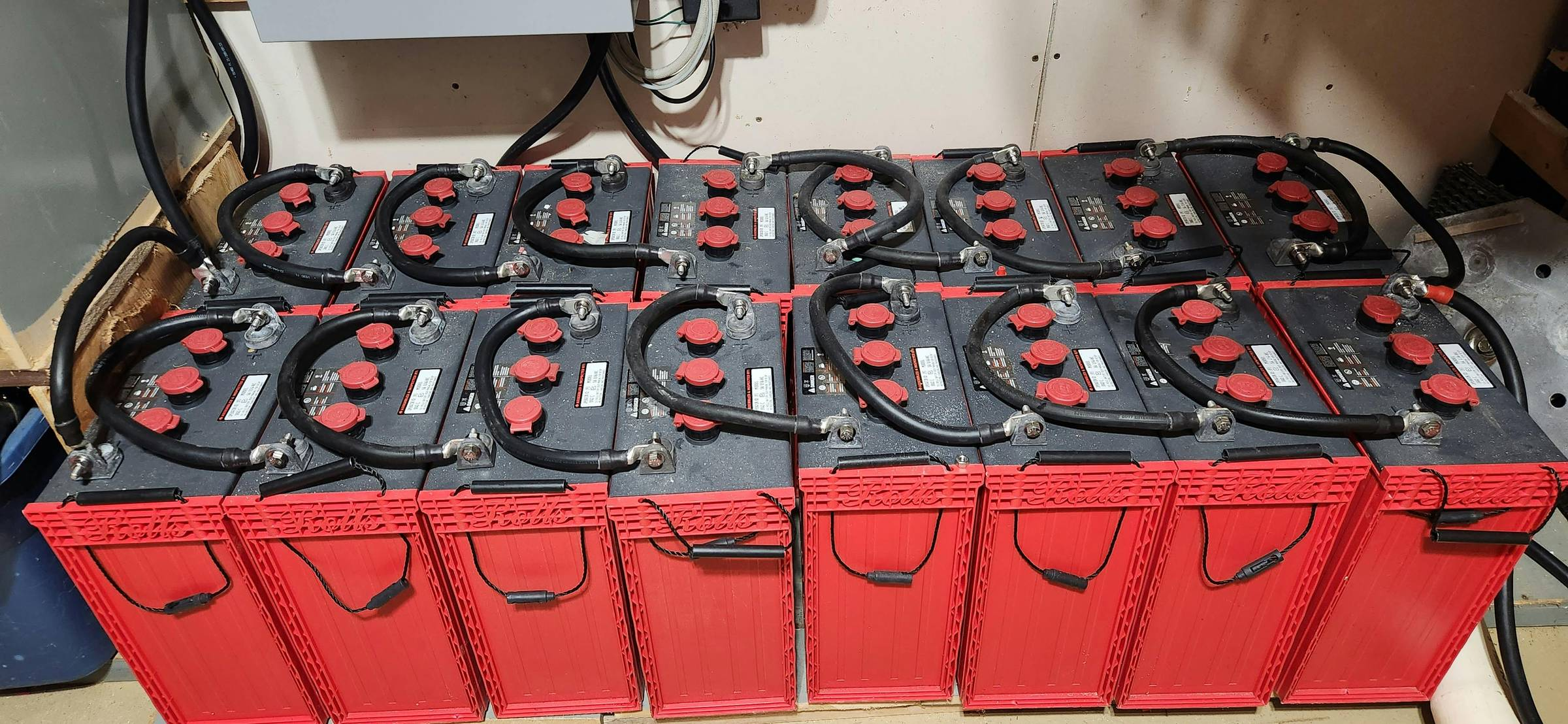
However, many of the older systems we still service, some over a decade old, are running lead-acid batteries. While these systems are often still functioning well, they were built at a time when protective features were less common, and some lower-end or simplified products available today still lack these smart functions. In these cases, adding or upgrading fuses, breakers, low-voltage disconnects, or using devices like the Victron Smart BatteryProtect can make a major difference. These upgrades not only add a layer of safety but can significantly extend the usable life of your batteries.
Why Battery Protection Matters
Batteries are the heart of your energy storage. They store power when the sun shines and deliver it when it doesn’t. But batteries don’t like to be abused. They have limits, on voltage, temperature, current, and how deeply they’re discharged. Cross those limits regularly, and your batteries will degrade quickly or even become dangerous.
Here’s what proper battery protection can prevent:
- Overcharging (causing overheating or gassing in lead-acid, and cell damage in lithium)
- Freezing or overheating (especially dangerous for lithium batteries)
- Over-discharging (which can permanently reduce battery capacity)
- Short circuits or high current surges
- Fire or thermal runaway events
Key Battery Protection Strategies
Here’s how to protect your batteries properly, no matter what chemistry you’re using.
1. Use the Right Charge Controller
Your charge controller should be matched to your battery chemistry and voltage. For example:
- Lead-acid batteries need multi-stage charging (bulk, absorption, float) with temperature compensation.
- Lithium batteries require a very specific charging profile, usually constant current / constant voltage (CC/CV)—and should not be charged when temperatures drop below 0°C.
Always program charge controllers with the correct voltage settings for your battery bank. And don’t rely on factory presets alone—double-check with the battery manufacturer’s specs.
2. Install a Battery Management System (BMS)
If you’re using lithium batteries, a BMS is not optional. It monitors and protects each cell in the battery by:
- Preventing over-voltage and under-voltage
- Balancing cell voltages
- Disconnecting the battery in extreme temperature or high current situations
Some all-in-one lithium batteries come with a built-in BMS. If you’re building your own battery bank, make sure a quality BMS is part of your setup.
For lead-acid systems, while there’s no BMS, proper regulation still matters, especially avoiding chronic undercharging or deep discharging.
3. Use Temperature Sensors
Temperature can drastically affect battery performance and safety. Many charge controllers and inverters support battery temperature sensors that adjust charging voltage based on real-world conditions.
For instance, lead-acid batteries require lower charging voltage when warm, and higher voltage when cold. Lithium batteries should not be charged below freezing, unless they have self-heating capability and a BMS to manage it.
4. Proper Fusing and Disconnects
A short circuit can dump hundreds or thousands of amps from a battery bank. Protect your wiring, and your cabin, with proper fusing at all battery terminals, combiner boxes, and inverter input lines. Also, install DC-rated disconnects so you can safely isolate parts of the system for service or emergencies.
5. Monitor Your Batteries
Don’t fly blind. Use a battery monitor (like Victron’s BMV or SmartShunt, or a Cerbo GX if you’re going deeper) or similar top brand devices to keep track of:
- State of charge
- Voltage
- Amperage in/out
- Temperature (with appropriate accessories)
Monitoring tells you when something’s off before it becomes a problem, saving your batteries and your peace of mind.
Add-On Protection for Basic or Older Systems
Enter the Victron Smart BatteryProtect
If your system is already up and running but doesn’t have high-end monitoring tools or smart charging features, don’t worry, you can still improve your battery protection without redoing everything.
One of the easiest and most effective upgrades is the Victron Smart BatteryProtect.
What Is It?
The Victron Smart BatteryProtect is a programmable low-voltage disconnect that sits between your battery bank and your loads (or in some cases, between the battery and your inverter). It continuously monitors battery voltage and disconnects the loads before your battery drops to a dangerously low level.
It helps prevent:
- Over-discharge, especially critical for lithium batteries
- Deep cycling abuse on lead-acid banks
- Loads from draining your batteries while unattended (like in seasonal cabins)
Why It’s Ideal for Simpler Systems
- Easy to install and program via Bluetooth using the VictronConnect app
- No need for a full battery monitor or advanced display
- Works with both 12V and 24V systems
- Fully programmable voltage thresholds for different battery chemistries
- Adds a layer of automatic protection, even in basic setups
Real-World Example:
We’ve added Smart BatteryProtect units to small seasonal cabins where customers only have a few panels, a basic PWM controller, and no inverter. By cutting off loads before the battery voltage drops too far, we’ve helped keep their lead-acid batteries alive for multiple extra seasons, with a single $100–$150 device.
Long-Term Payoff: Better Lifespan, More Value
Think of battery protection as an insurance policy for your power storage investment. With the right protections in place, you’ll:
- Extend battery lifespan (5–10+ years for lead-acid, 10–15+ years for lithium)
- Improve system efficiency and reliability
- Avoid costly replacements or repairs
- Keep your family or customers safe
- Always size breakers/fuses for the wire they protect, not just the device.
- Use disconnects with breakers when needed for safe maintenance.
- Install components in weatherproof enclosures if outdoors.
- Follow NEC (National Electrical Code) CSE ( Canadian Electrical Code) or your local electrical codes.
Conclusion
At IOTG Solar, we’ve seen both ends of the spectrum, batteries that fail in under 2 years from neglect, and batteries that are still going strong after a decade thanks to smart design and protection. You don’t need to spend a fortune to protect your batteries, but you do need to plan for it.
If you’re not sure your battery bank is properly protected, or you’re designing a new system and want to get it right from the start, reach out. We’re here to help you protect your investment and keep your system running safely for years to come.
IOTG SOLAR LTD 5 Critical Mistakes To Avoid Before Buying Solar.pdf
For individuals seeking consultation, education, or assistance in system designs related to grid-tie or off-grid solar applications, IOTG Solar stands ready to help. Our team is available to address questions, provide valuable insights, and offer support at every stage of the solar energy journey. Feel free to reach out to IOTG Solar anytime for expert assistance and comprehensive solutions tailored to your specific needs.
IOTG Solar…
Keeping you powered through education.