A Tiny Home Story
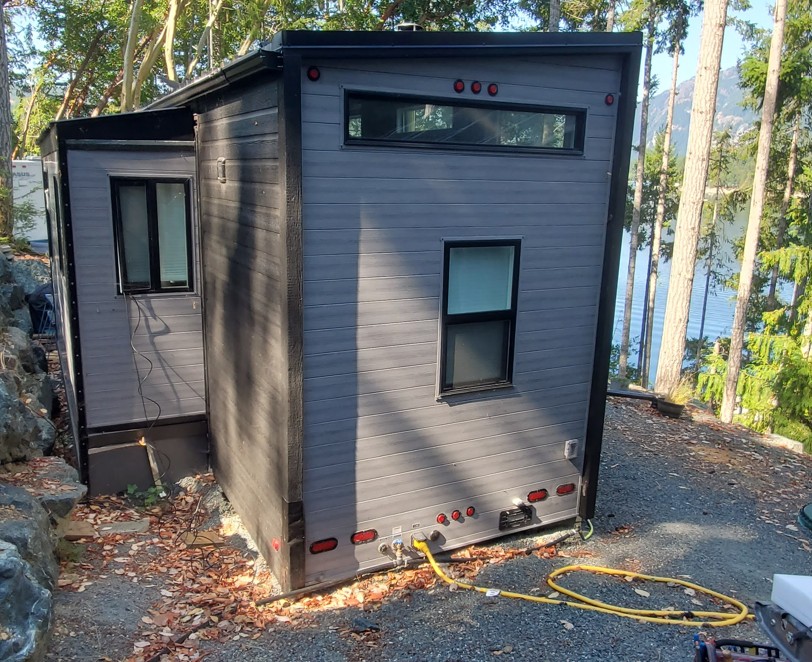
My first tiny home solar install was five years ago.
Funny thing about that word “tiny.” I’ve heard it used to describe half the cabins and small builds we’ve designed power systems for since.
But after enough of these projects, I stopped believing size was what really mattered.
What matters is how you plan to use the energy you make.
That first tiny home started with a 4,000-watt inverter/charger, solar panels and a couple of lithium batteries.
A year later, the owner needed more power, so we added more solar and two more lithium batteries.
And now, we’re looking at updating the system again.
That’s actually pretty normal in the off-grid world. Your energy needs change. Technology changes. And the system you built five years ago may not be the system you would build today.
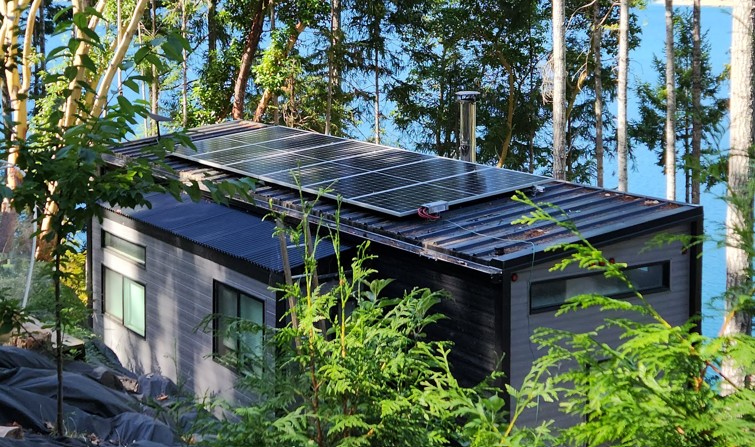
But there’s a big difference today.
Solar equipment has become more powerful and much more compact, while the cost of many components has dropped dramatically compared with what we were working with just a few years ago.
Today, you can often get more power in a smaller footprint, with better battery technology and much better monitoring.
And instead of wondering what your system is doing, you can check your batteries, solar production and energy use right from your phone through Bluetooth or Wi-Fi.
That changes how we should think about designing these homes.
A well-planned 200-square-foot cabin can run cleaner and smarter than a house four times its size with no energy plan behind it.
And that’s why today is a little different for us.
We’re actively looking to partner with the people building these homes in the first place, the builders shaping how this entire space grows.
Tiny homes. Container homes. Dome homes. Mobile homes. Permanent homes. And everything in between.
The goal isn’t to bolt a solar system onto the finished build.
It’s to design the energy system into the build from the start, with the right capacity today and a path to expand tomorrow.
If you’re a builder working in this space, I’d like to talk.